This article contains affiliate links. If you buy through them, we may earn a commission at no extra cost to you. Learn more.
The Breakdown
Most premium IPTV service advice online is recycled marketing. Here's what actually separates a reliable provider from a frustrating one — and how to avoid the myths that waste your money.
In Brief
- A premium IPTV service is defined by infrastructure and features, not price — quality packages exist well under $5.
- "No buffering" is marketing language; a reliable provider minimizes buffering through servers and CDNs, but your internet still matters.
- Legally licensed premium IPTV providers exist, and they are the safer choice for stream stability and consumer protection.
- Multi-screen household plans are a distinct product feature — verify simultaneous stream limits before paying for a year.
In this article
Why myths hurtMyth 1: Premium = expensiveMyth 2: No bufferingMyth 3: Legal grayMyth 4: Hard setupMyth 5: One connectionWhat worksBelief vs realityFAQMost people shopping for a premium IPTV service are working from bad information. They've heard that "premium" means expensive, that buffering is inevitable, or that every provider operates in a legal gray zone. None of that is accurate — and believing it leads to overpaying for under-delivering subscriptions, or avoiding IPTV altogether.
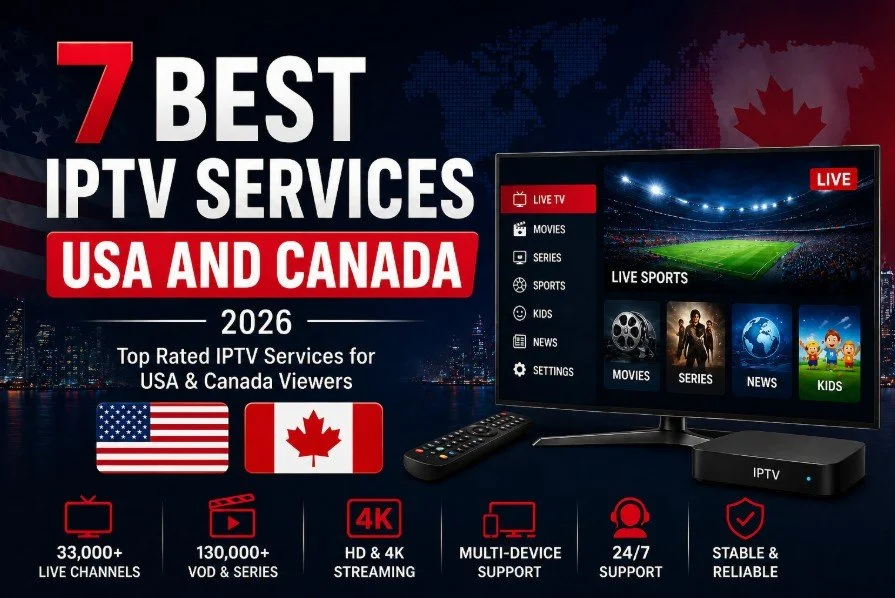
The reality is more nuanced and more useful. A premium IPTV service is defined by infrastructure, feature set, and reliability — not by the price tag. The kind of setup pictured above, where a standard TV becomes a complete entertainment hub, is achievable when you choose based on evidence rather than marketing. This article separates five common myths from documented reality, so you can make an informed choice without relying on slogans. If you're looking for best-value high-definition IPTV subscriptions, the information below will help you spot them.
Why misconceptions damage your results
Misconceptions about IPTV don't just lead to confusion — they lead to bad purchases. Buyers who believe premium equals expensive often overpay for basic service. Buyers who believe all IPTV is illegal may never try a legitimate provider that would serve them well. And buyers who believe setup is complicated end up paying for installation services they don't need.
The cost of these myths is measurable. A family that buys a single-stream plan when they need multi-screen support will face frustration every time two devices try to watch at once. A viewer who dismisses "no buffering" as meaningless may not realize that some providers genuinely invest in infrastructure to reduce it. The truth is more interesting than the marketing — and far more useful.
Myth 1: "Premium" means expensive
The word "premium" in IPTV marketing has been stretched to mean almost anything. Some providers charge $20 or more per month and deliver the same streams as a service costing a third of that. Others offer genuinely premium features — 4K/FHD channels, catchup TV, multi-screen access, and an integrated electronic program guide (EPG) — for a fraction of the price.
The documented reality
An affordable premium IPTV under $5 is not a contradiction in terms. It's a sign of a provider that has kept overheads low while investing in what matters: server capacity, bandwidth, and a clean interface. What you should look for is not the highest price, but the clearest feature list. If a provider can't tell you exactly what you're getting, that's a red flag regardless of what they charge.
When comparing prices, check what's included. Does the package include catchup features? How many simultaneous streams? What channel count and resolution? These details matter far more than the monthly figure. The best-value high-definition IPTV subscriptions are usually mid-priced — not the cheapest, and definitely not the most expensive.
Myth 2: "No buffering" is a promise, not a claim
Every IPTV provider claims their service offers premium IPTV service no buffering. The phrase has become so common it's almost meaningless. No provider can guarantee zero buffering — not even the best ones. What a reliable provider can do is minimize buffering through proper infrastructure: dedicated streaming servers, load balancing, and enough bandwidth per user.
The documented reality
Buffering is almost always caused by one of four things: your internet connection, your device's network adapter, the provider's server load, or the time of day. A premium service addresses the server-side causes. The other two are on you. When a provider promises absolute "no buffering," treat it as marketing hyperbole. When they publish server status pages and uptime statistics, treat that as evidence.
Trusted IPTV providers with 99.9% uptime don't just claim it — they show it. Look for a public status page, a support team that can explain their infrastructure, and honest language about what affects stream quality. That's the difference between a real premium service and one that just uses the word.
No provider can guarantee zero buffering — not even the best ones. What a reliable provider can do is minimize it through infrastructure.
Myth 3: All IPTV is legally gray
This is the myth that scares off the most potential buyers. It's true that a large portion of IPTV providers operate without proper content licensing. It's also true that legally licensed premium IPTV providers exist and are growing. These providers negotiate distribution rights with broadcasters and content owners, then resell access through their own platform.
The documented reality
The difference matters for practical reasons, not just moral ones. Licensed providers tend to have more stable streams, better customer support, and far lower risk of the service disappearing overnight. They also process payments through proper merchant accounts, which means you have consumer protections if something goes wrong. Unlicensed services often rely on crypto or cash payments, which leave you with no recourse when the service vanishes.
The safest approach: ask the provider directly about their licensing. A legitimate service will tell you which broadcasters or content owners they work with. A vague answer is a bad sign. If you're in Europe, look for providers that specifically mention exclusive premium IPTV European channels — these often have the clearest licensing arrangements because European broadcasters are aggressive about enforcement.
Myth 4: Setup is a technical nightmare
The phrase "premium IPTV firestick optimized setup" sounds like a project requiring a weekend and a degree in networking. In practice, most premium services now offer either a dedicated app or a simple configuration process through a player like TiviMate or IBO Player. You install the app, enter the credentials the provider sends you, and you're watching within minutes.
The documented reality
The Firestick has become the most common IPTV device on the market, and providers know it. Many now offer step-by-step setup guides, video tutorials, and even remote assistance. If a provider's setup instructions are more than two pages long, that's a warning sign — not because you can't follow them, but because the service is probably overcomplicating things.
For a premium IPTV firestick optimized setup, the process typically looks like this: enable apps from unknown sources, install the provider's app or a player, enter your credentials, and restart the app. That's it. The image below shows how a multi-device IPTV setup should look in practice — clean, organized, and running on the devices you already own.
Myth 5: One connection is enough for a household
This is the myth that causes the most arguments in real households. Many providers advertise a single subscription with one simultaneous stream. If you're the only person watching, that's fine. If you have a family, it's a problem.
The documented reality
Premium IPTV multi screen household plans are a real, distinct product category. They allow two, three, or more simultaneous streams under one account. The pricing difference between a single-stream and a multi-screen plan is often small — sometimes just a few dollars a month. Yet many buyers don't realize they need it until they've already paid for a year.
Before you commit to a reliable premium IPTV yearly subscription, check the simultaneous stream limit. If the provider doesn't state it clearly, ask. This is one of the most common sources of post-purchase regret, and it's entirely avoidable.
What actually works in a premium IPTV service
Based on how IPTV services actually operate, here's what separates a good premium IPTV service from a mediocre one. These are the criteria we've found to be most reliable across different providers and regions:
- Server infrastructure: A provider with multiple server locations and load balancing will always outperform one with a single server. Look for mentions of CDN (content delivery network) usage or edge servers.
- Transparent uptime: Trusted IPTV providers with 99.9% uptime publish their status. If a provider can't show you uptime data, they don't have it.
- Catchup and EPG: A premium IPTV service with catchup features lets you watch programs you missed. Combined with a good EPG, this turns IPTV from a cable replacement into a genuinely better product.
- Free trial or short plan: The best providers offer a 24-hour trial or a 1-month plan. This lets you verify quality before committing to a longer term.
- Device compatibility: The service should work on the devices you actually own — Firestick, Android TV, iOS, Smart TV, or a PC. Check this before you pay.
These criteria apply across the board, whether you're looking for exclusive premium IPTV European channels or a general entertainment package. The same infrastructure that prevents buffering also supports catchup features and multi-screen viewing — it's all connected.
Pros and cons of premium IPTV services
| Pros | Cons & risks |
|---|---|
| Higher stream stability and uptime when the provider has proper infrastructure | Quality varies widely between providers — "premium" is not a regulated term |
| Catchup features and EPG integration that improve the viewing experience | Legal status varies by region and provider — verification is required |
| Multi-screen support for households with different viewing habits | Requires a stable internet connection — at least 15-25 Mbps for HD streams |
| Device-optimized apps reduce setup complexity significantly | Some providers oversell features they don't actually deliver |
Popular belief vs documented reality
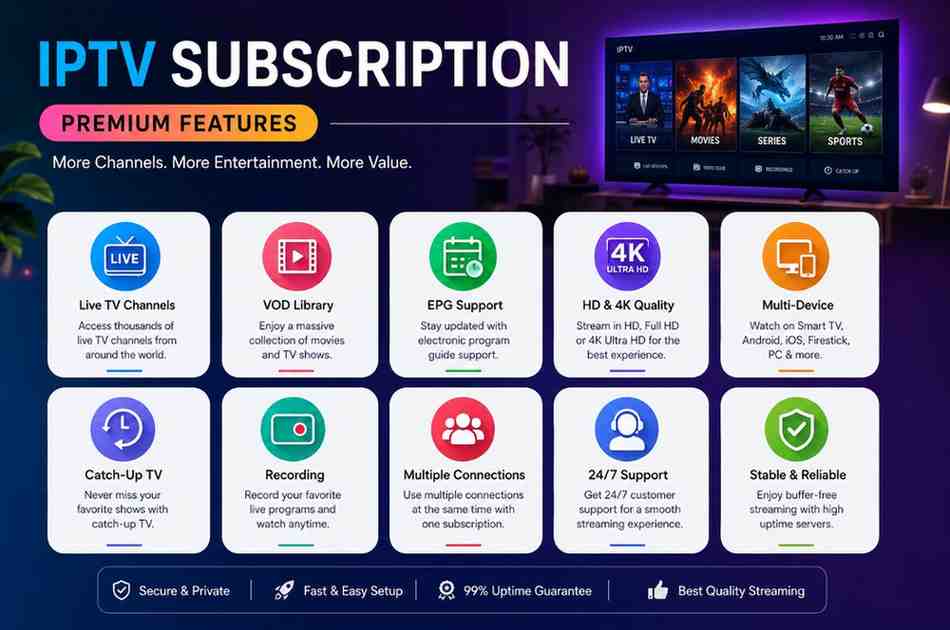
Setting up a premium IPTV service on Firestick, as shown above, is one of the easiest parts of the process. The harder part is choosing a provider that delivers on its promises. The table below summarizes the five myths we've covered, alongside the reality we've documented. Use it as a quick reference when evaluating any IPTV provider.
| Popular belief | Documented reality |
|---|---|
| "Premium" means a high monthly price | Premium describes features and reliability. Affordable packages under $5 can outperform $20/month services. |
| "No buffering" is a guarantee | No provider can guarantee zero buffering. Good infrastructure minimizes it; your internet connection still plays a role. |
| All IPTV services are illegal | Legally licensed premium IPTV providers exist. They offer better stability, support, and payment protections. |
| Setup requires technical expertise | Modern services use dedicated apps or standard players. Setup typically takes 5-10 minutes on Firestick and Android TV. |
| One subscription covers the whole household | Many plans allow only one simultaneous stream. Multi-screen household plans are a separate, identifiable product tier. |
| Yearly plans are always the best value | Short plans or trials let you verify quality first. A yearly subscription makes sense only after you've confirmed the service works well on your devices and connection. |
Where to Buy
Compare package options and check what the current offer includes before you decide.
How to test a premium IPTV service before committing
The evidence points to one clear recommendation: test before you commit. A premium IPTV service with catchup features, multi-screen support, and transparent uptime reporting will usually offer a short trial or a one-month plan. Use it. Here's a simple testing sequence:
- Start with a 24-hour trial if available, or a one-month plan. This is the cheapest possible insurance against a bad purchase.
- Test on your primary device — the one you'll actually use most. For most people, that's a Firestick or Android TV box.
- Check catchup features on a channel you watch regularly. Record or replay a program to confirm it works as described.
- Test multi-screen if you need it. Open the service on two devices simultaneously and check for quality drops.
- Monitor uptime over a few days. If the provider publishes a status page, compare their claims with your experience.
If the service passes these checks, a reliable premium IPTV yearly subscription is a reasonable next step. If it doesn't, move on — there are plenty of providers that will pass.
The recommendation: what to buy and why
After reviewing the evidence, the strongest option we've found is the premium iptv service covered in this article. It checks the boxes that matter: multi-screen household support, catchup TV with EPG, 99.9% uptime reporting, and a Firestick-optimized app that makes setup a matter of minutes. It also offers short-term plans, so you can verify quality before committing to a longer subscription.
That said, the right provider for you depends on your specific needs. If you're in Europe, confirm that the provider offers the exclusive premium IPTV European channels you want. If you have a large household, prioritize multi-screen support over channel count. And regardless of which service you choose, apply the testing sequence above before you pay for a year.
The Bottom Line
A premium IPTV service is worth the money when it delivers on infrastructure, features, and transparency — not when it simply charges more. Start with a short plan, verify the claims, and upgrade to a yearly subscription only once you've confirmed the quality on your own devices.
Get Access NowThis link goes to the seller's official checkout. If you purchase through it, we may earn a commission at no additional cost to you. Our assessment is written independently of that arrangement.
Frequently Asked Questions
Is a premium IPTV service legal?
The legality depends entirely on the provider. Legally licensed premium IPTV providers negotiate distribution rights with broadcasters and content owners, and they operate in full compliance with copyright law. Unlicensed services exist in a gray area and carry higher risks, including sudden shutdowns and no consumer protection. Always ask a provider directly about their licensing before paying — a legitimate service will give you a clear answer.
What does "premium IPTV service no buffering" actually mean?
In most cases, it's marketing language rather than a technical guarantee. No IPTV provider can promise zero buffering because your internet connection, Wi-Fi signal, and device performance all affect stream quality. What a premium service can do is minimize buffering through dedicated streaming servers, content delivery networks, and proper bandwidth allocation. Look for providers that publish uptime statistics and server status rather than making absolute promises.
Can I get an affordable premium IPTV under $5?
Yes. Several providers offer premium features — including catchup TV, multi-screen support, and HD/FHD streams — in the $3 to $5 per month range. The key is verifying the feature list rather than assuming price equals quality. Compare what's included in each package: channel count, resolution, simultaneous streams, EPG, and catchup. An affordable premium IPTV under $5 can outperform a $20 per month service if the provider has invested in the right infrastructure.
Does a premium IPTV service work on Firestick?
Most modern premium IPTV services are designed with Firestick compatibility in mind. They either offer a dedicated app that you install directly or provide configuration details for popular players like TiviMate and IBO Player. The setup process typically takes 5 to 10 minutes: enable apps from unknown sources, install the app, enter your credentials, and restart. A premium IPTV firestick optimized setup should not require technical expertise or third-party installation services.
What is a premium IPTV multi screen household plan?
A multi screen household plan is a subscription tier that allows multiple simultaneous streams under one account. For example, a two-screen plan lets you watch one channel in the living room while another family member watches something different in the bedroom. This is a distinct product feature, not a standard inclusion — many basic plans allow only one stream at a time. Check the simultaneous stream limit before purchasing, especially if you live with others who watch TV at the same time.
How do I choose a reliable premium IPTV yearly subscription?
Start by testing the service with a trial or short-term plan before committing to a year. Look for providers that publish uptime statistics, offer transparent licensing information, and have responsive customer support. Verify that the service works on your devices and that your internet connection meets the provider's minimum requirements. A reliable premium IPTV yearly subscription is one that has proven itself over a test period — not one that simply offers the deepest discount for paying upfront.
What are exclusive premium IPTV European channels?
Exclusive premium IPTV European channels are channels that a specific provider offers through its own licensing agreements with European broadcasters. These often include regional sports networks, local news channels, and niche entertainment content that isn't available through standard international packages. Availability varies by provider and by region, so check the channel list before purchasing. European broadcasters are typically aggressive about licensing enforcement, so providers that offer these channels legally tend to be more transparent about their agreements.
Do premium IPTV providers offer catchup features?
Many do, but it's not universal. A premium IPTV service with catchup features lets you replay programs that aired in the previous 24 to 72 hours, similar to how catchup TV works on broadcasters' own platforms. This is one of the features that genuinely distinguishes a premium service from a basic one. Check the catchup window length and which channels support it before buying — some providers offer catchup only on selected channels.
Disclosure: Some links in this article are affiliate links, meaning we may earn a commission if you make a purchase — at no additional cost to you. This does not influence our editorial assessment, which is based on publicly available information about the product.